AI in Construction: Where It Actually Earns Its Keep on a Jobsite
A field-tested look at where AI belongs in construction workflows - from preconstruction takeoffs to daily reports - and where it does not.
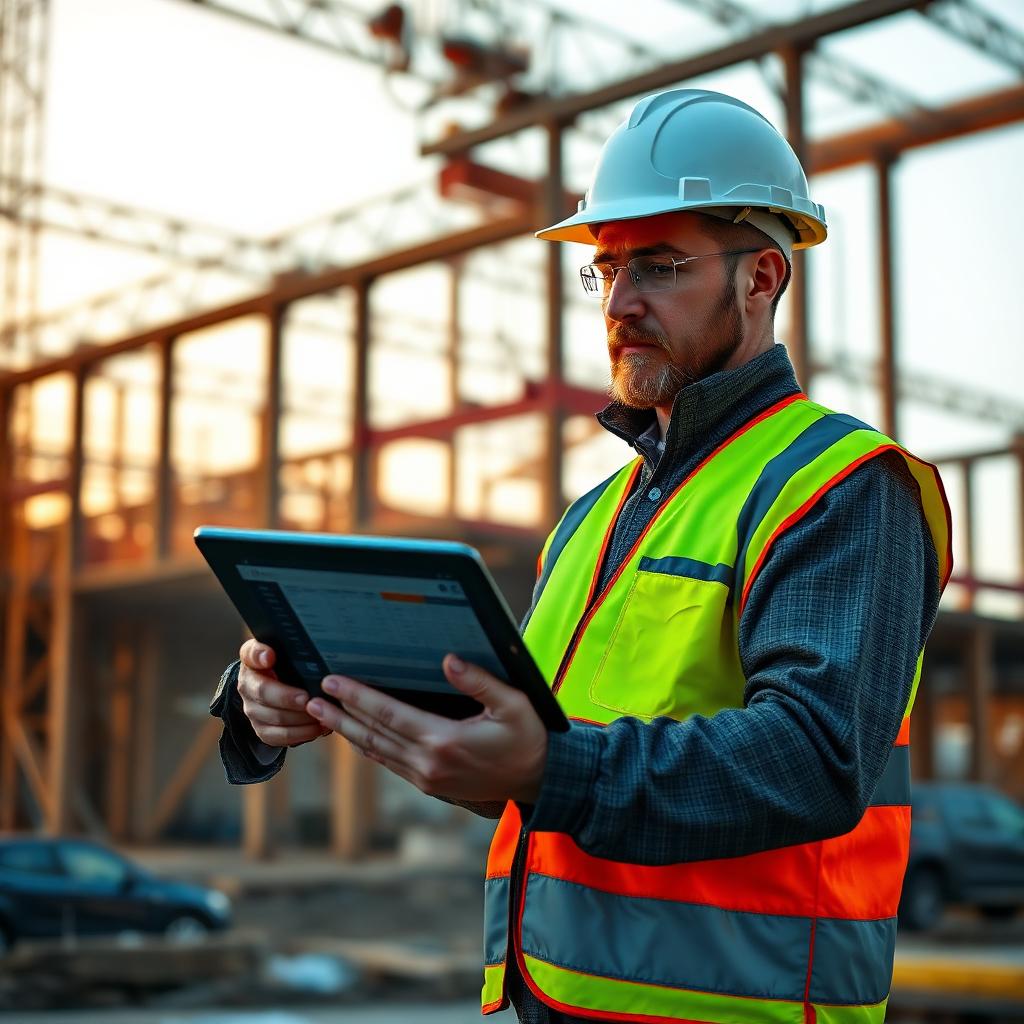
Construction runs on tribal knowledge. The estimator who remembers which subs no-show in July. The PM who knows the inspector will fail a slab if the rebar chairs are wrong. AI does not replace that knowledge - it captures it, so the next job does not restart from zero.
The problem is not productivity. It is context loss.
Most construction companies do not have a labor problem. They have a context problem. The bid team does not see what the field learned. The field does not see what accounting flagged. Change orders get built on a whiteboard, closed out in an email, and forgotten by Monday.
That is where AI earns its keep - not writing marketing copy, not generating renderings, but stitching context back together so the same mistake does not get repriced into the next job.
Five places AI is already paying for itself in construction
- 01Preconstruction takeoffs and scoping - AI reads plan sets and RFPs, drafts scope-of-work language, and flags missing specs before an estimator wastes an afternoon.
- 02Daily reports and jobsite logs - Superintendents talk into a phone at the end of the day; AI turns it into a formatted daily, tags photos to the right cost code, and pushes it to the PM.
- 03Submittal and RFI drafting - Instead of a project engineer writing the same three paragraphs, AI drafts the submittal or RFI in the office's voice, with the correct spec references pulled from the plan set.
- 04Change order narrative and pricing memory - AI recalls how a similar change was priced on the last three jobs, so the PM is not guessing at markup or scope.
- 05Safety and toolbox talks - Weekly talks tailored to the actual work on that jobsite that week, not a generic PDF nobody reads.
Where AI does not belong on a jobsite
We are direct with clients about this. AI should not be signing contracts, releasing payments, approving safety stand-downs, or making the final call on constructability. Those are judgment calls that live with humans - a licensed PM, a superintendent with 20 years in the trade, a controller who owns the risk.
The rule we use: AI drafts, humans decide. Anything with legal, financial, or safety weight goes through a person before it leaves the office.
What good adoption looks like in a GC or specialty contractor
Good adoption is boring. It does not look like a launch event or a new dashboard nobody logs into. It looks like the estimating team using the same tool every Tuesday morning. It looks like the field superintendent recording a daily on the drive home instead of typing one at 9pm. It looks like the PM opening a change order and seeing a first draft already written, in the company's voice, with the numbers cross-checked.
“We are not trying to reduce headcount. We are trying to let the crew we have take on the next job without breaking.”
How we approach a construction engagement
We spend the first two weeks on the jobsite and in the office - riding with a superintendent, sitting with the estimator, watching the PM close out a week. We are not there to sell software. We are there to map where context is being lost and where the same work is being redone. From that map we pick two or three workflows that are worth automating, and we build them in the company's tools, in the company's voice.
If you run a general contractor, a specialty trade, or a self-perform crew and you are tired of losing the same hours to the same paperwork - that is the conversation we want to have.
Want this kind of thinking applied to your company?
We embed for two weeks, map where context is being lost, and build the two or three workflows worth automating - in your tools, in your voice.